Marketing Automation Platforms seldom work in isolation! In other words, the efficacy of your platform (HubSpot, Oracle Eloqua, and ActiveCampaign) is governed by the platforms it connects to and how those integrations are used. By 2026, as teams implement their integration strategies, the number of integrations will be a stronger measure of team operational maturity than platform selection.
Marketing automation platforms integrate numerous tools that provide organizations with a clearer understanding of how data is owned, goals are achieved, reporting is generated, and governance is executed within a marketing automation environment.
In this guide, we’ll help you understand which types of integrations real teams are connecting to their platforms, and why they made these decisions, so you can determine which integrations you should implement now or later.
It will also provide examples of how small, medium, and large businesses integrate marketing automation, so you can better visualize how these tools work in the real world.
Integration Ecosystem Statistics in 2026
Most marketing automation platforms support three integration models:
- Native integrations, built and maintained by the vendor
- Middleware or no-code integrations are often used to bridge systems quickly
- API-based integrations, built for custom workflows and governance
The vast array of marketing automation platforms illustrates their success, largely based on the reliability and stability of their integration ecosystems.
Public usage data, vendor-provided information, and marketplace statistics indicate significant differences in how the HubSpot, ActiveCampaign, and Eloqua teams have connected their respective stacks.
HubSpot Integration Ecosystem Statistics 2026
HubSpot is home to one of the largest and most dynamic integration ecosystems in the marketing automation space.
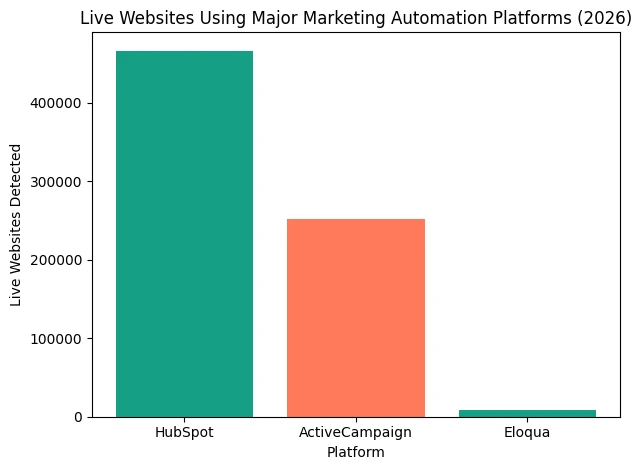
- Approximately 466,709 live websites worldwide have been identified as using HubSpot integration; that’s a lot of integrations being used. – (BuiltWith)
- A total of 731,164 websites (when considering historical and redirected usage) are using HubSpot. – (BuiltWith)
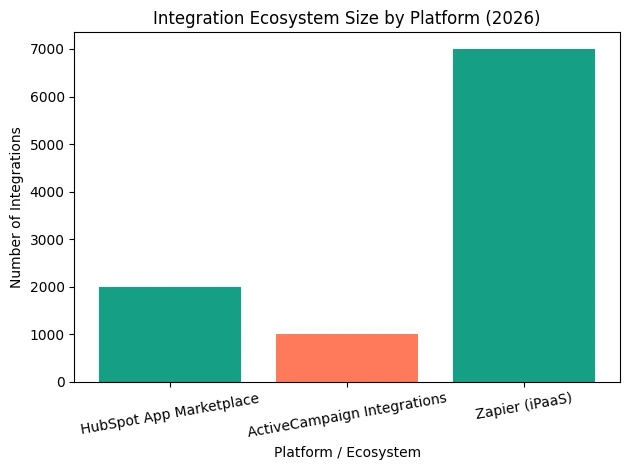
- According to Hubspot’s App Marketplace, more than 2,000 apps have been created with over 2.5 million total installations. Therefore, there is significant usage of the third-party apps built on the HubSpot Platform. – (HubSpot Community)
- HubSpot added 76+ new apps and 22+ major app updates in Q4 of 2025 – therefore, demonstrating continued growth of the HubSpot integration ecosystem into 2026. – (HubSpot Marketplace)
- HubSpot confirmed it had over 1,000 integrations as early as 2020, demonstrating the rapid growth of integrations since then. – (HubSpot Company News)
ActiveCampaign Integration Ecosystem Statistics 2026
ActiveCampaign’s ecosystem reflects its strong SMB and lower mid-market positioning.
- ActiveCampaign is detected on 251,991 live websites globally, demonstrating broad SMB adoption, with integrations often used for e-commerce and lifecycle automation. – (BuiltWith)
- According to BuiltWith, 330,841 different websites use ActiveCampaign either currently or historically, including those that have redirected their traffic to another website. – (BuiltWith)
- According to ActiveCampaign, it supports over 1,000 different integrations with other e-commerce platforms, CRM systems, analytics platforms, and support solutions. – (ActiveCampaign)
- In the USA, ActiveCampaign has been installed on 85,580 active websites and is therefore a key part of many SMBs’ technology stacks. – (BuiltWith)
- ActiveCampaign uses a native, no-code approach to its integration strategy, underscoring its emphasis on rapid implementation and operational simplicity. – (ActiveCampaign)
Oracle Eloqua Integration Ecosystem Statistics 2026
Eloqua’s integration footprint is smaller in volume but deeper in complexity.
- According to BuiltWith, Oracle Eloqua is present on 8,545 live websites globally, a characteristic of its deployment and use in enterprise environments. – (BuiltWith)
- According to BuiltWith, 14,591 websites have used Eloqua at some point, either historically or currently, and redirecting their traffic to another website will affect Eloqua’s online presence. – (BuiltWith)
- There are 4,356 domains for customers using Eloqua based in the U.S., indicating that many large North American businesses use Eloqua in their technology stacks. – (BuiltWith)
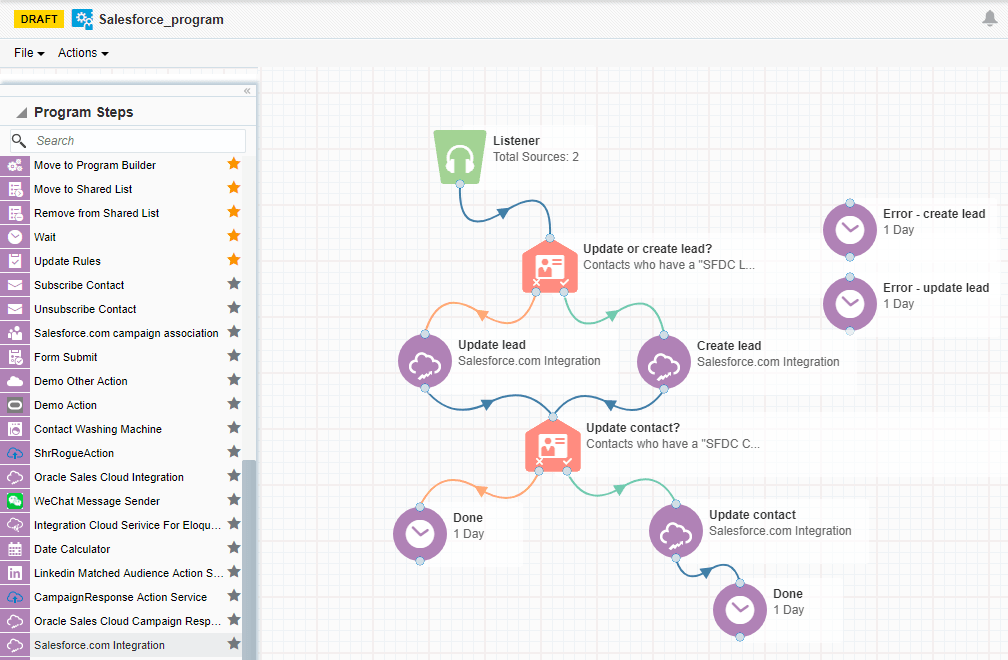
- Oracle announced the retirement of Eloqua’s native Salesforce CRM integration with the 25D release in November 2025, forcing many enterprise teams to redesign CRM connectivity. – (Oracle Community)
- The expectation is that this shift in integrations will spur greater use of innovative integration technologies, such as iPaaS and middleware solutions, within Eloqua’s technology stacks. – (Oracle)
2026 Predictions for Integration Platforms and iPaaS Growth Statistics
Integration platforms are becoming increasingly relevant as native integrations hit their limits.
- AngelList reports that Zapier integrates with over 7,000 applications and is one of the leading middleware providers, alongside HubSpot and ActiveCampaign.
- Workato and Boomi each have over 1,000 pre-built connectors that are critical components of enterprise integration architectures.
- The global iPaaS market was estimated at $15.63 billion in 2025 and is expected to grow to $34.78 billion by 2026. It is estimated that the iPaas Market will reach $108.76 billion by 2034, due to multi-platform automation.
Top Integrations for HubSpot Teams in 2026
HubSpot’s adoption across SMB, mid-market, and enterprise environments is driven by its ability to operate as both a system of action and, at early stages, a system of record. As organizations scale, HubSpot’s role shifts, and integration patterns change accordingly.
SMB HubSpot Integrations
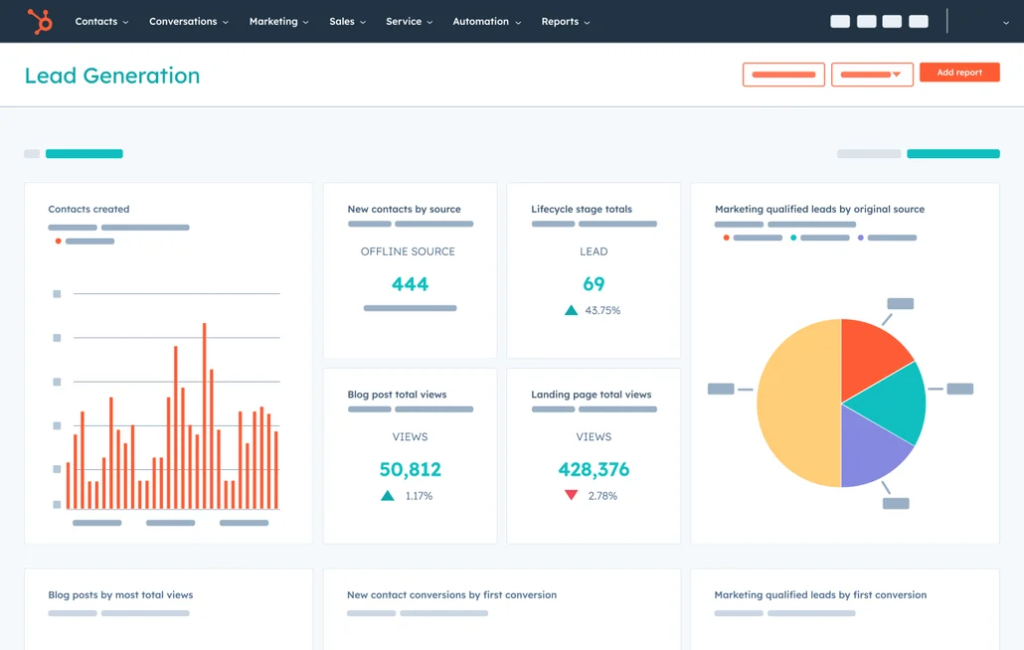
HubSpot serves as the central CRM and marketing automation platform for most small- to medium-sized businesses (SMBs) during this stage of growth. Their basic objective when integrating is speed – leads captured quickly, responding to interested leads quickly, and having minimal visibility of pipeline activity.
Source: WordPress
Integrations that are commonly made during this stage of growth include:
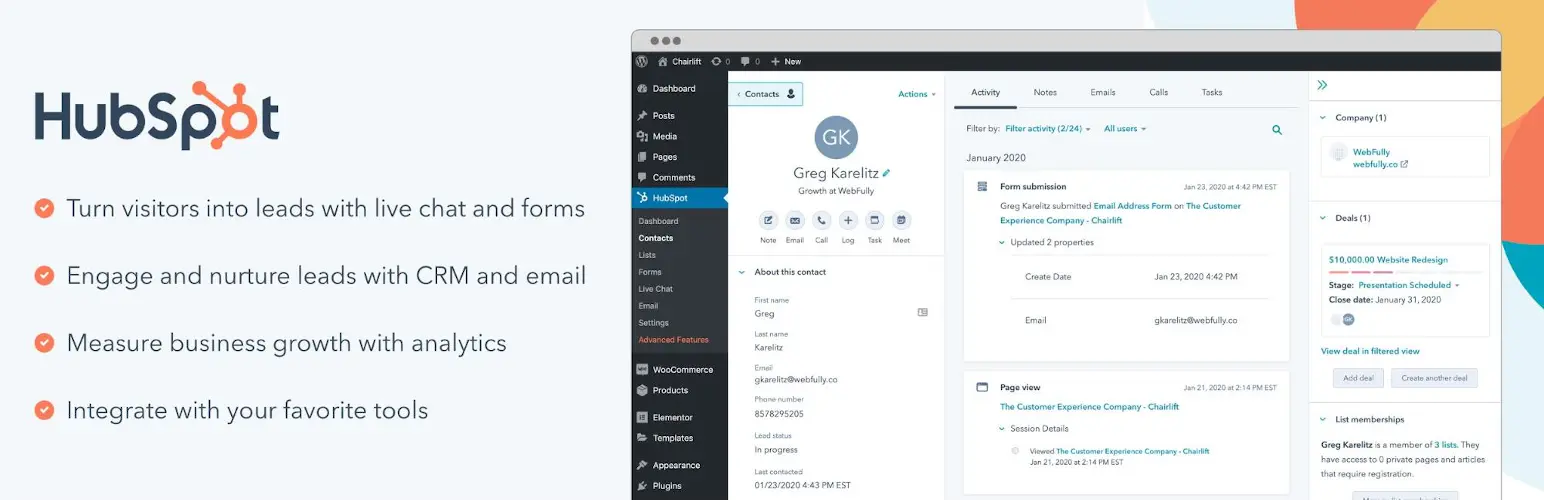
- Web and content management systems (WordPress/Webflow) that process and send form submissions and page views directly into HubSpot.
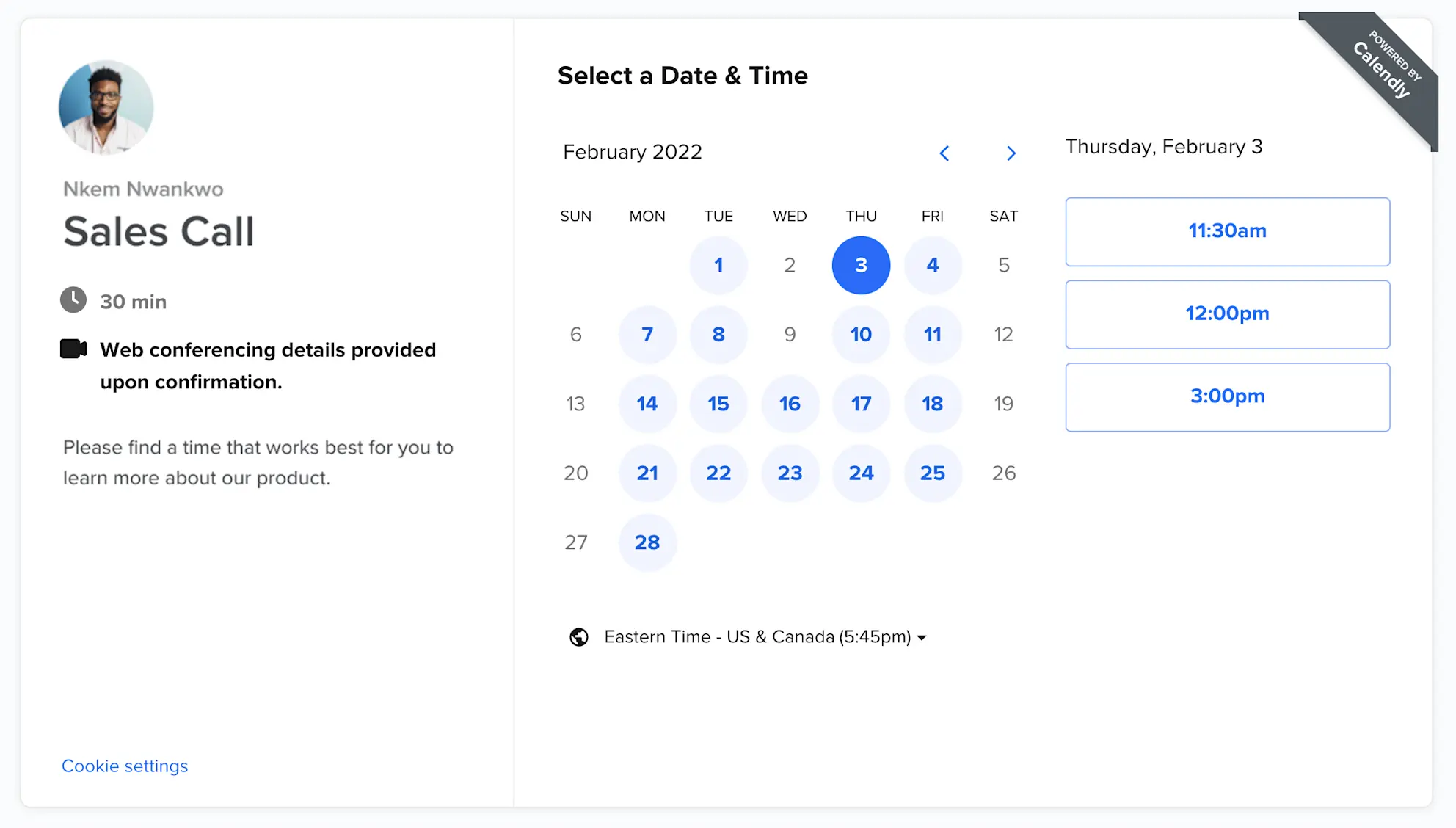
- Scheduling tools (Calendly) that turn leads into booked appointments.
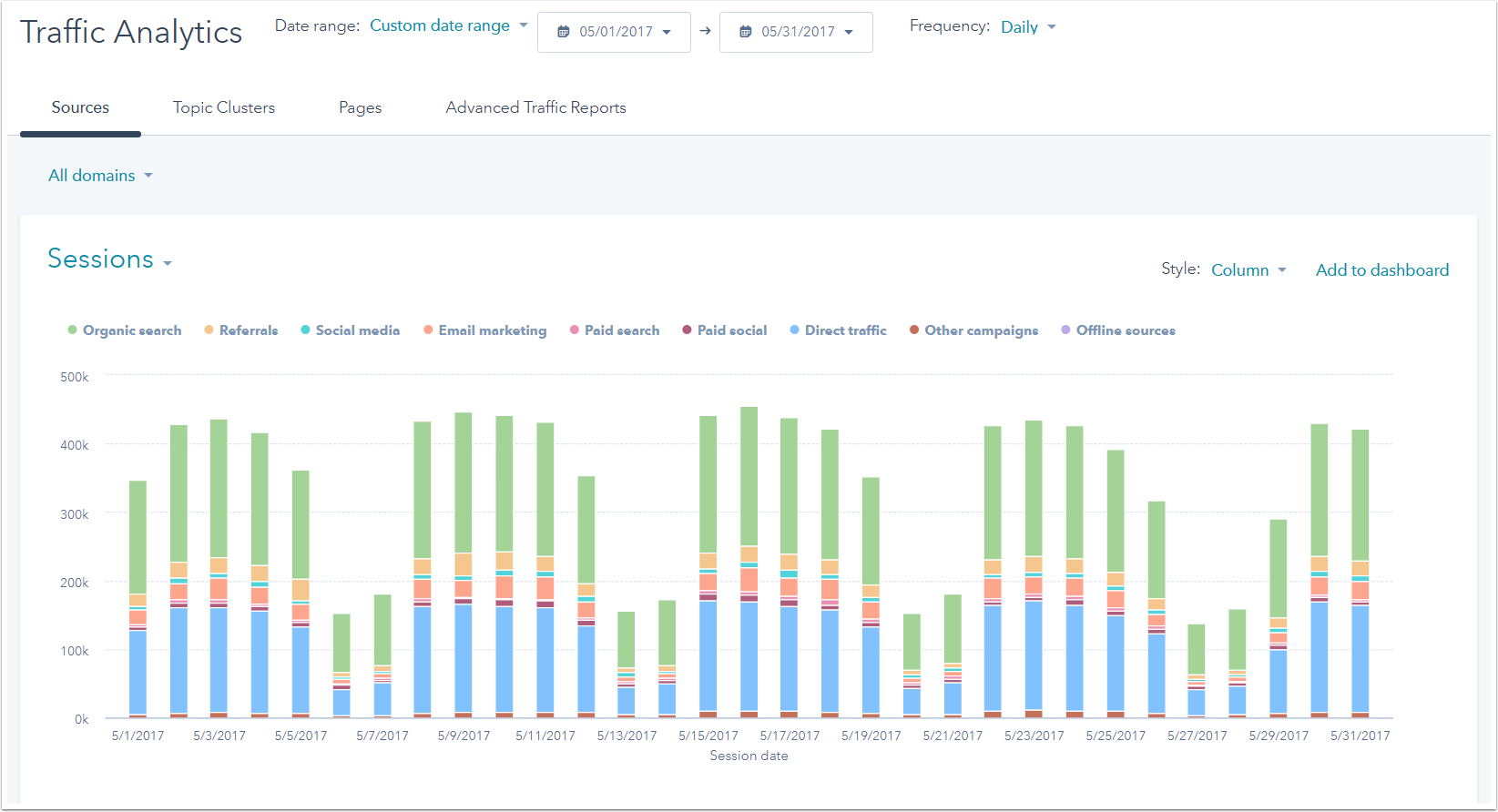
- Basic analytics tools (Google Analytics) that provide visibility into website traffic and its sources.
- Email deliverability tools to support outbound and inbound email reliability.
Source: Calendly
SMB teams need a single view of contacts without having to manage multiple systems. HubSpot’s native integrations allow lead data to flow in with minimal configuration and no middleware.
Source: HubSpot
Mid-Market HubSpot Integrations
As organizations grow, HubSpot stacks expand quickly. Sales teams scale, deal volumes increase, and leadership demands clearer attribution and forecasting.
Source: HubSpot
At this stage, teams begin to add:
- Dedicated CRM alignment (Salesforce or Dynamics if HubSpot is no longer the master record).
- Third-party data enrichment tools (Clearbit, ZoomInfo) that enhance the quality of leads in the CRM database
- Sales engagement platforms (Outreach, Salesloft) that facilitate standardized outbound workflows
- Attribution and BI tools to understand channel performance and pipeline contribution
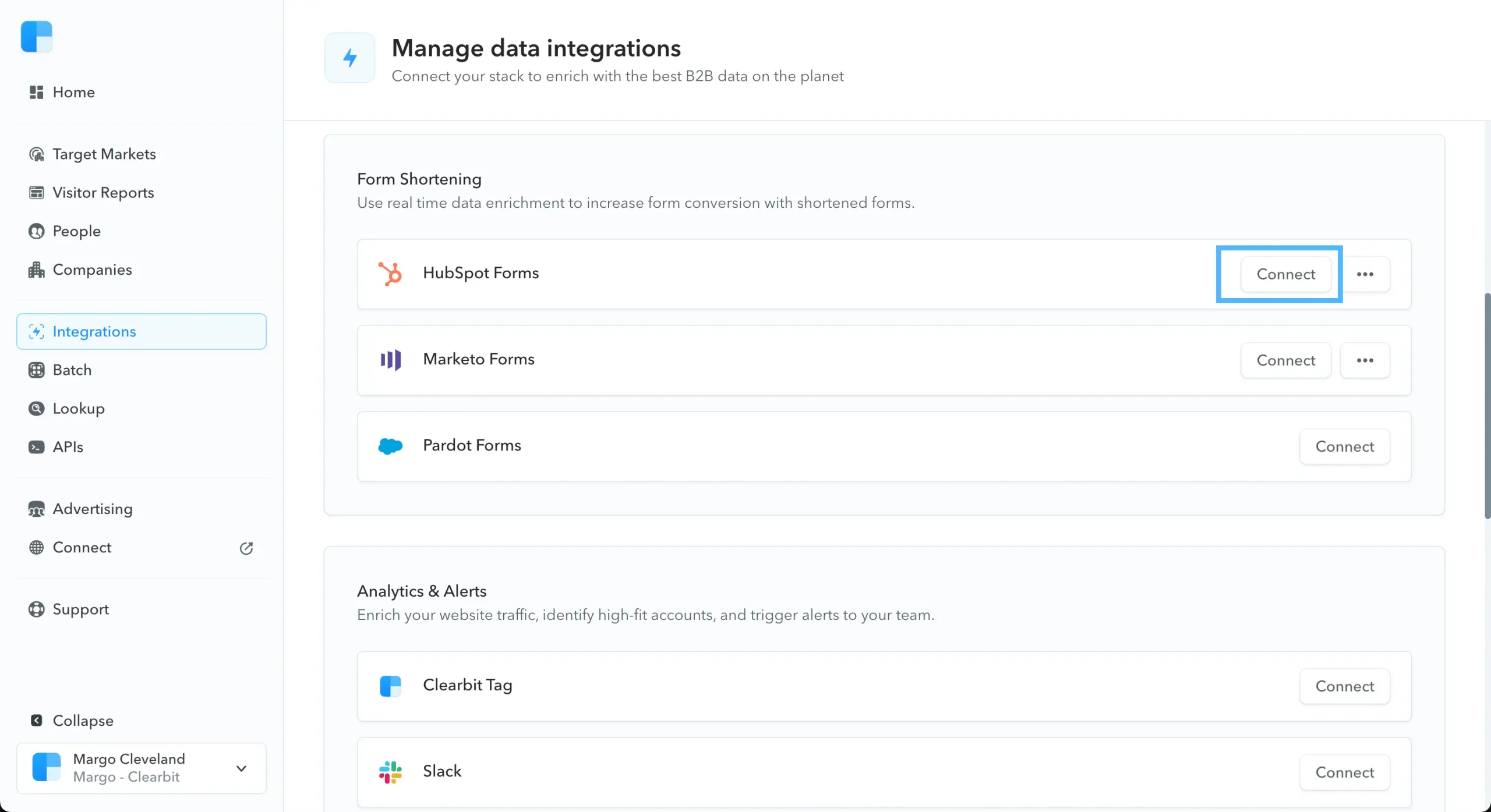
Source: Clearbit
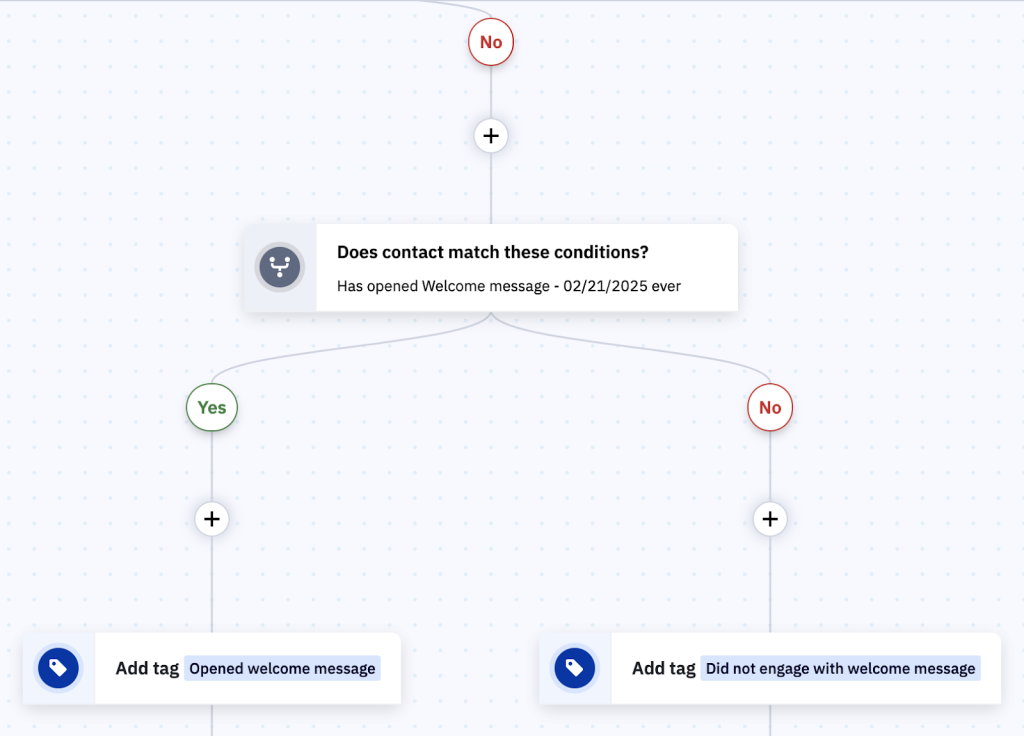
Mid-market teams often connect enrichment and attribution before stabilizing lifecycle stages. This leads to conflicting lead statuses across systems.
HubSpot’s community discussions frequently highlight lifecycle stage misalignment as a top reporting issue when Salesforce and enrichment tools are added without governance.
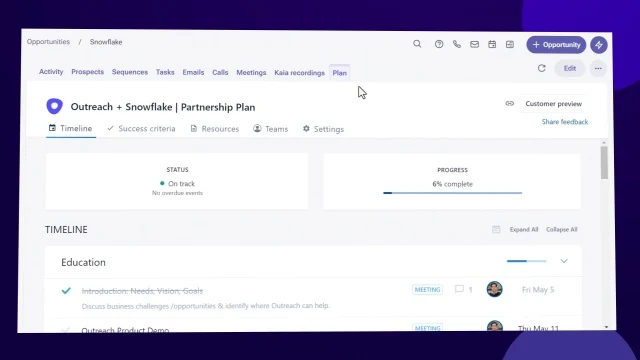
Source: Outreach
Enterprise HubSpot Integrations
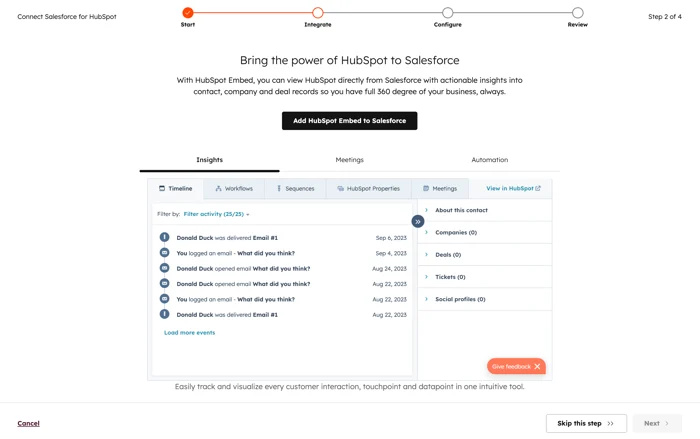
In enterprise environments, HubSpot often operates as a business-unit engagement layer rather than the master system of record.
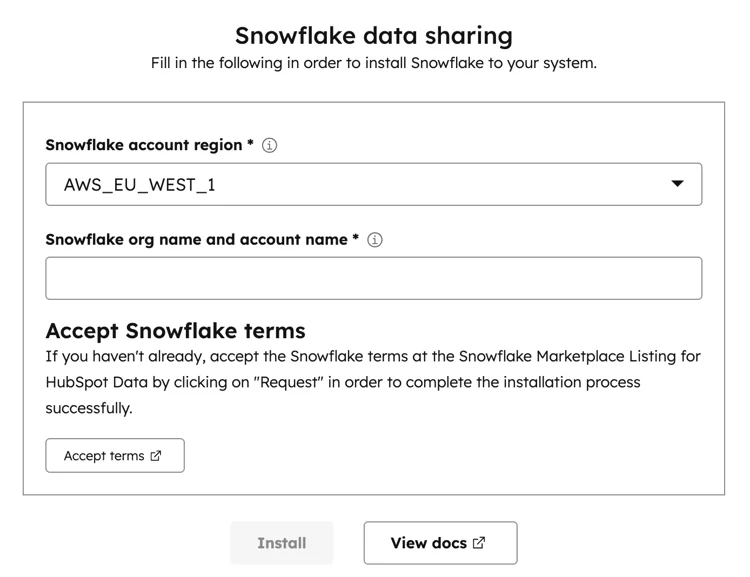
Source: HubSpot
Integration priorities shift toward:
- Data orchestration and ETL tools (Hightouch, Census)
- Consent and preference management platforms to support compliance
- Warehouses or CDPs (Snowflake, BigQuery) for identity resolution and analytics
- Monitoring and governance tools to track sync health and failures
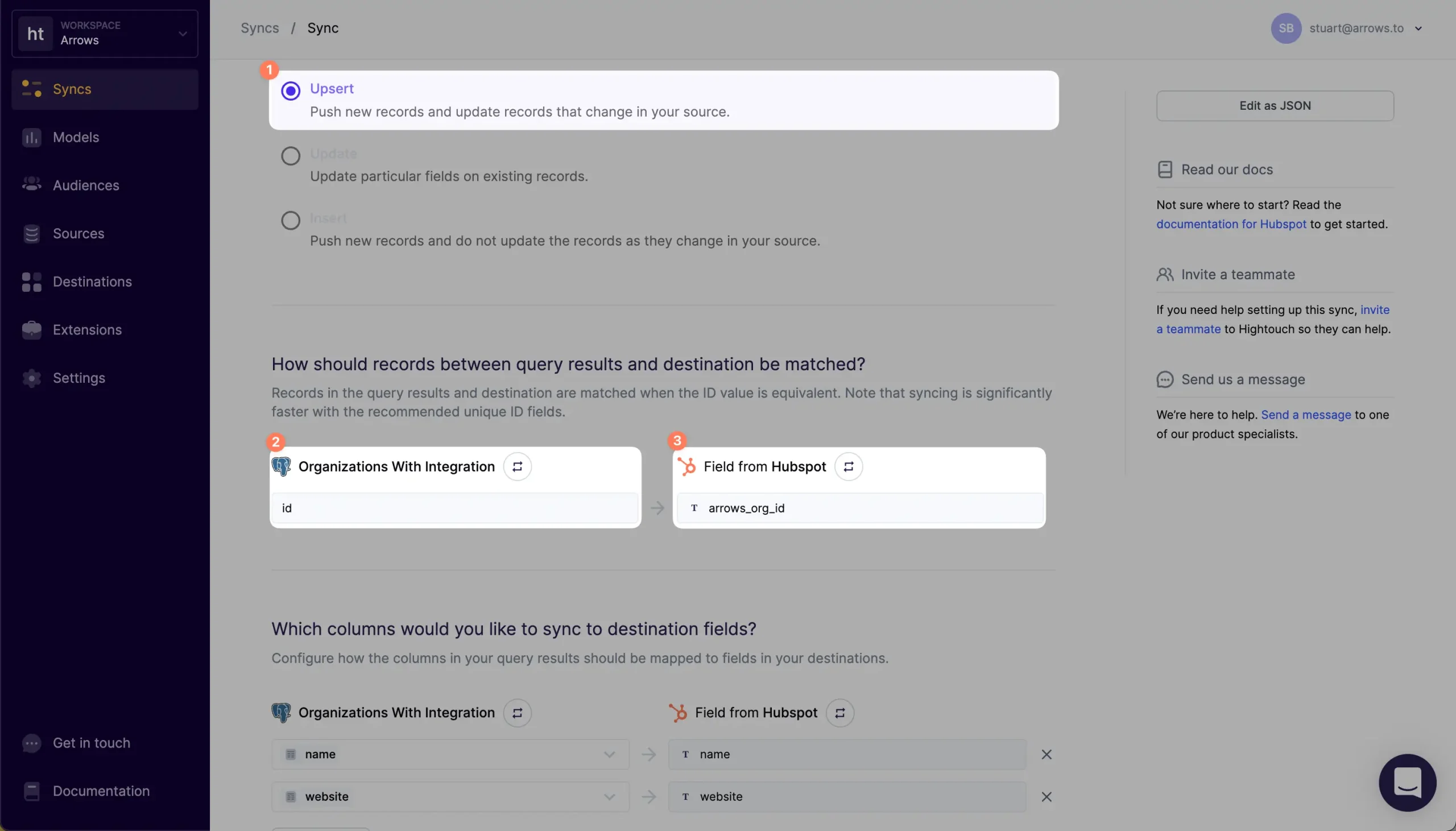
Source: Arrows
Enterprise organizations manage multiple CRMs, regions, and data sources. HubSpot feeds engagement data downstream rather than owning the customer truth. Reverse ETL adoption has increased as enterprises move customer data ownership to warehouses.
Top Integrations for ActiveCampaign Teams in 2026
ActiveCampaign’s integration ecosystem reflects its strength in SMB and lower mid-market environments, particularly ecommerce and lifecycle-driven businesses.
SMB ActiveCampaign Integrations
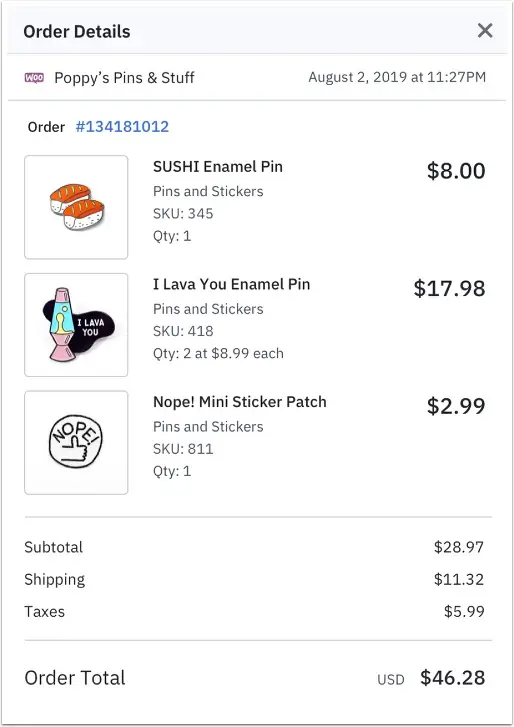
At this stage, ActiveCampaign serves as the central automation engine, tightly connected to revenue activity.
Source: ActiveCampaign
Common integrations include:
- E-commerce platforms (Shopify, WooCommerce)
- Landing page builders
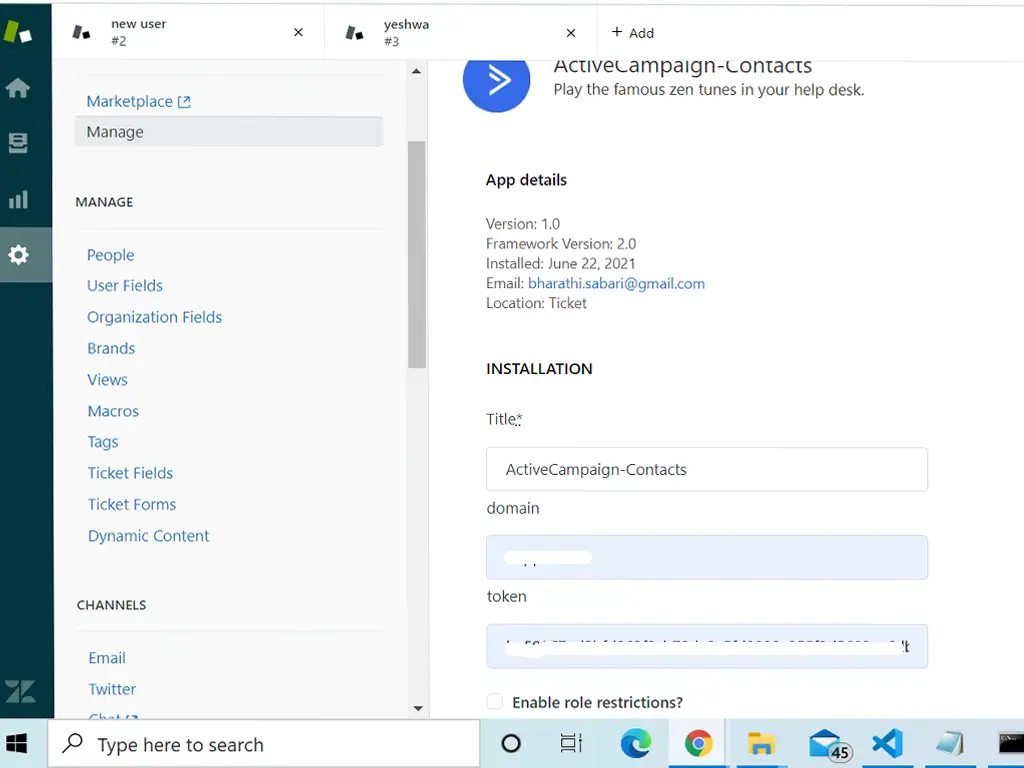
- Support tools (Zendesk, Freshdesk)
- Analytics and tag management
Source: Zendesk
ActiveCampaign excels at behavior-based triggers. E-commerce and support integrations provide high-signal events that drive automation.
Mid-Market ActiveCampaign Integrations
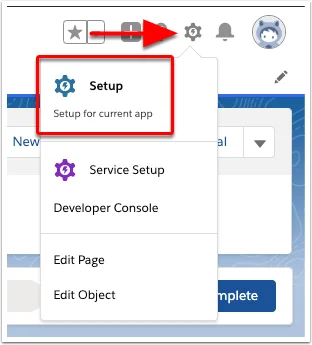
As ActiveCampaign users scale, integrations expand to include:
- Structured CRM alignment
- Enrichment tools for segmentation
- Reporting layers for forecasting
- Middleware tools to manage sync complexity
Source: ActiveCampaign
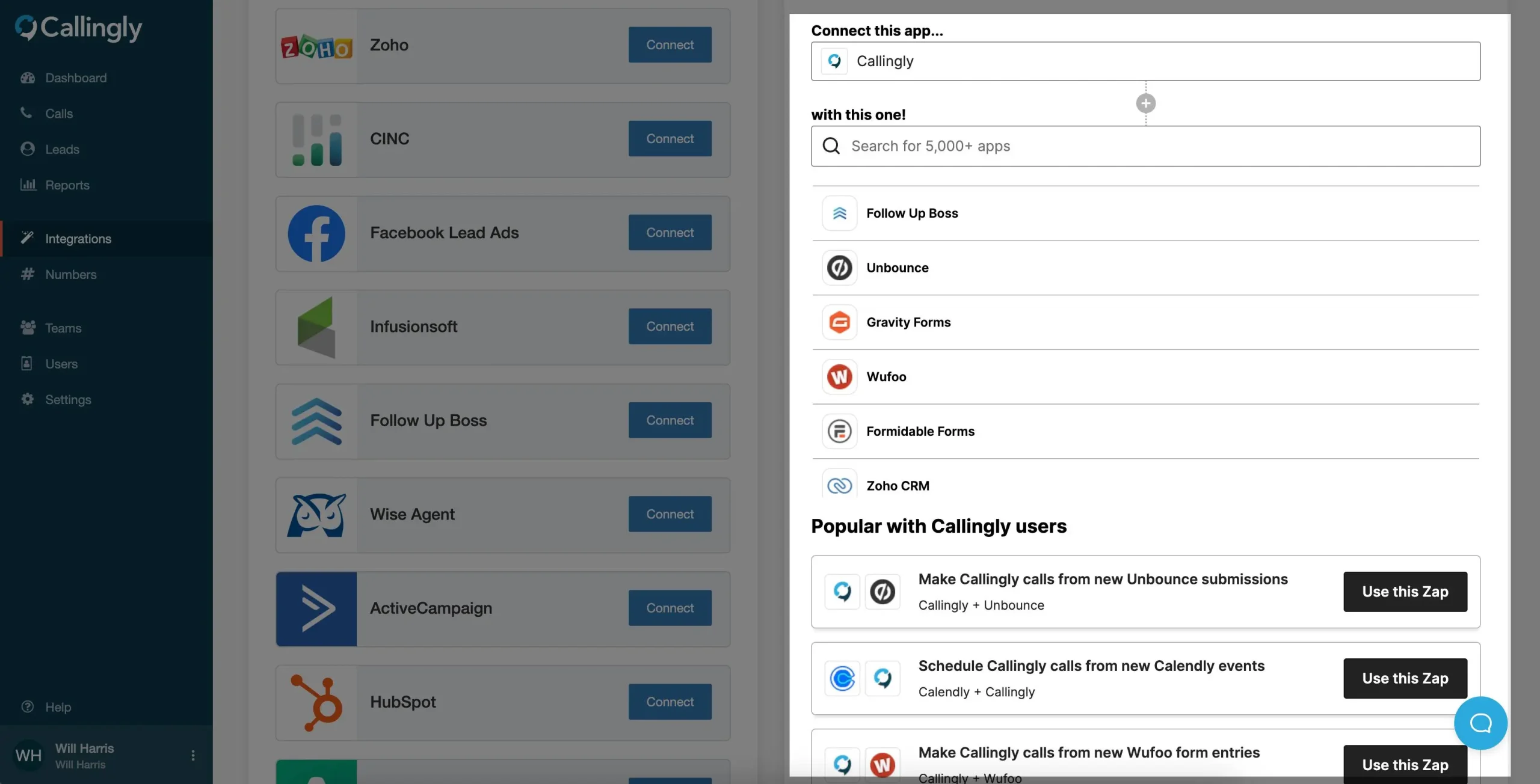
Integrating natively with ActiveCampaign is quick but limited in scope. Mid-market companies typically use integration Platform as a Service (iPaaS) tools to manage sync direction and eliminate data conflicts. ActiveCampaign commonly connects to services via Zapier’s network of over 7,000 connected apps.
Source: Zapier
Top Integrations for Eloqua Teams in 2026
Eloqua’s integration ecosystem is built for enterprise governance, not volume.
Mid-Market Enterprise Eloqua Integrations
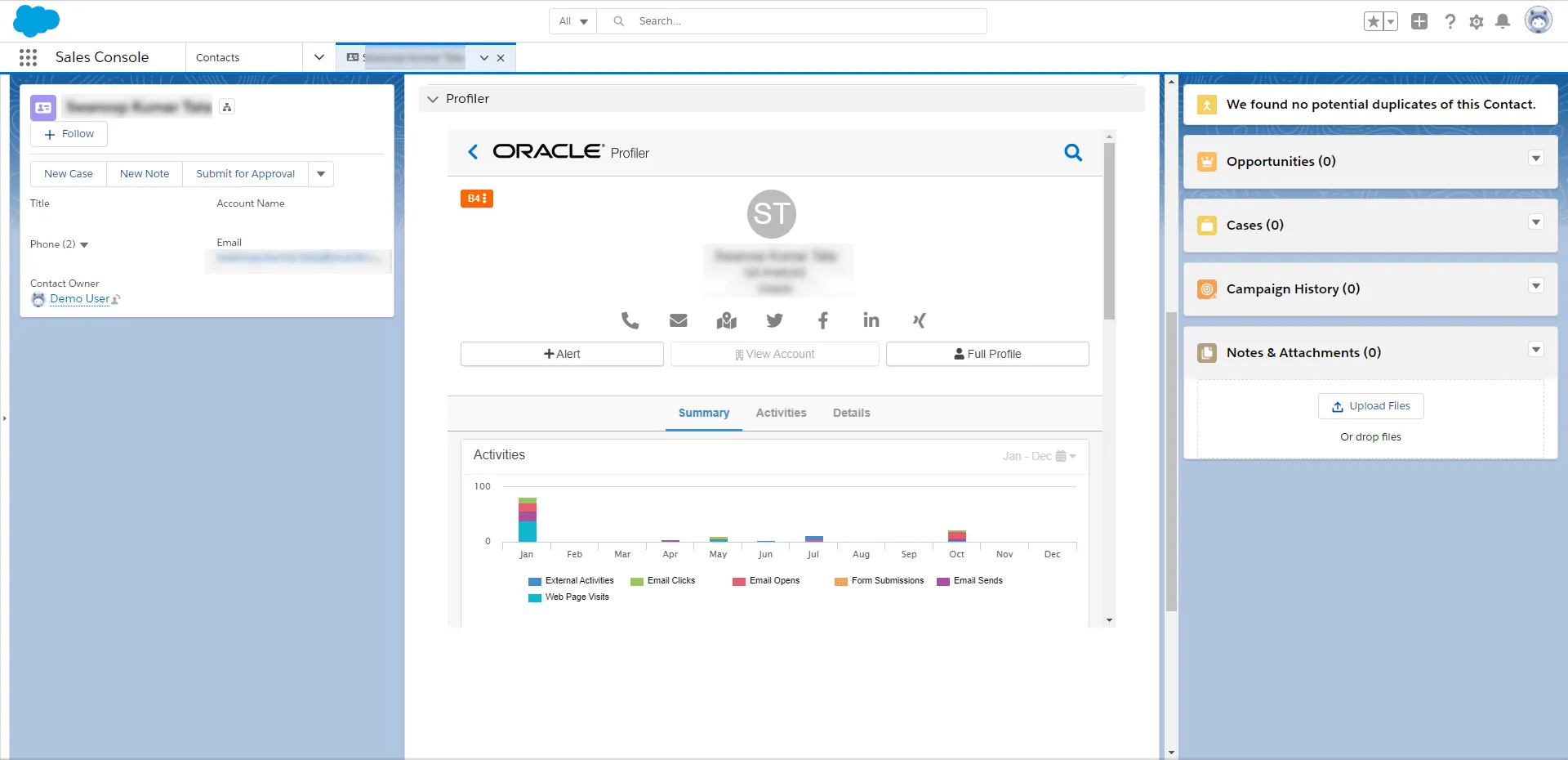
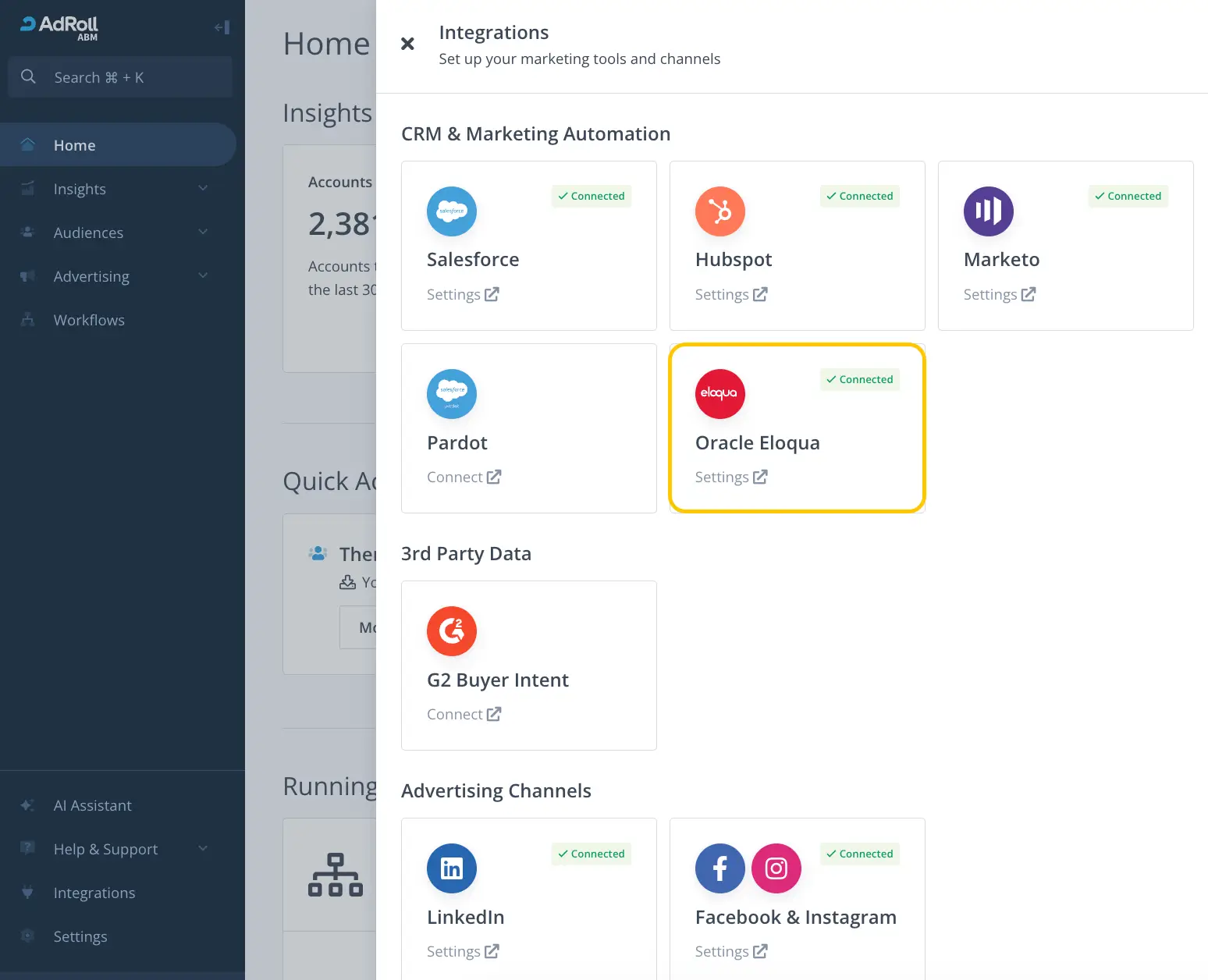
Eloqua stacks at this level focus on:
- CRM synchronization (Salesforce, Dynamics)
- Event and webinar platforms
- Enrichment and intent providers
- Advanced analytics
Source: Oracle
Long sales cycles and multiple stakeholders require consistent identity and attribution across systems.
Source: AdRoll ABM
Enterprise Eloqua Integrations
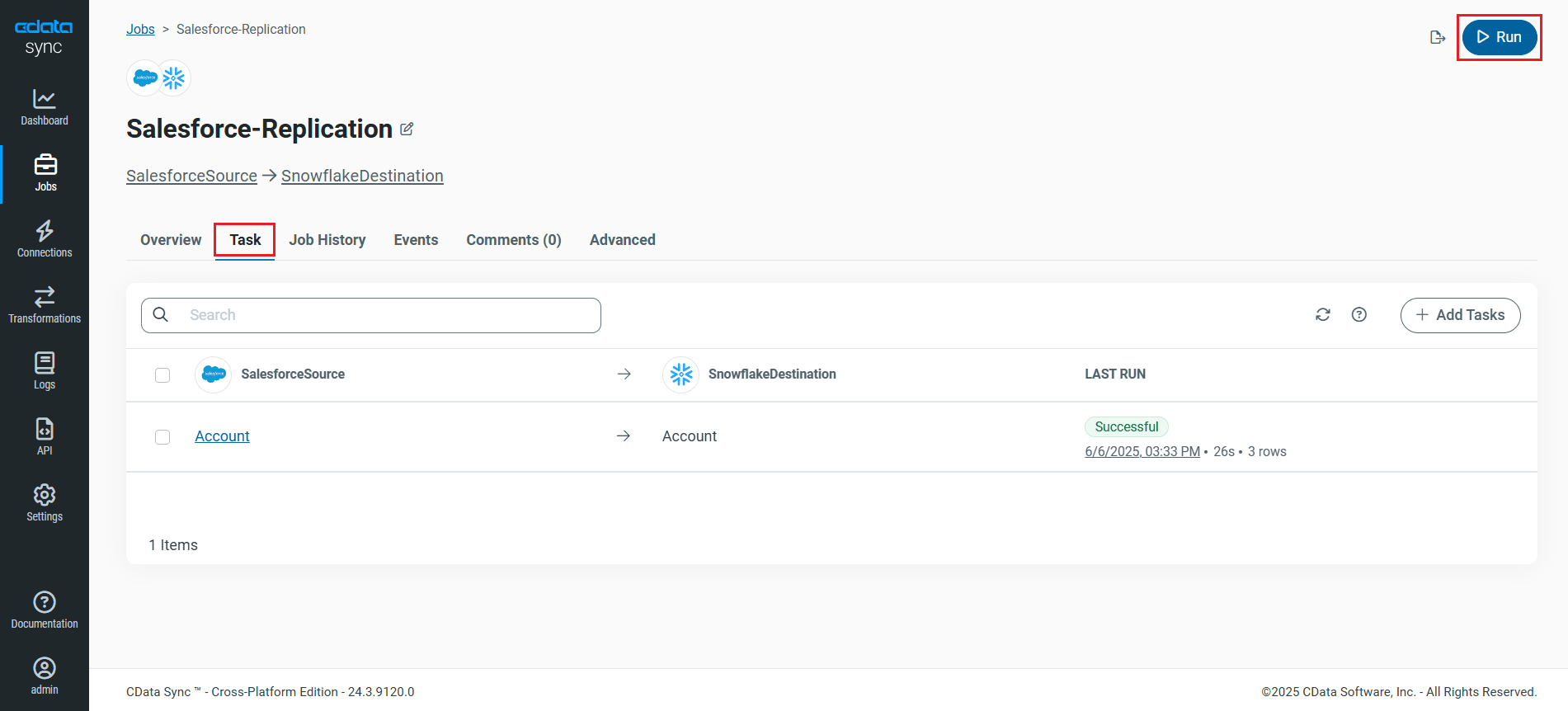
At full enterprise scale, Eloqua stacks prioritize:
- Identity resolution platforms
- Consent and preference management
- Data warehouses and BI
- Enterprise iPaaS platforms
Source: cdata
Why governance dominates? Compliance, reporting accuracy, and cross-BU coordination outweigh speed.
Oracle Eloqua CRM Integration Changes in 2026
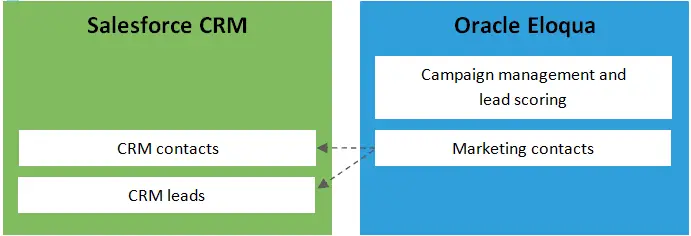
Oracle has announced the retirement of Eloqua’s native Salesforce CRM integration, effective with the Eloqua 25D release (November 2025).
Source: Oracle
Impact on teams
- Forced migration to alternative integration methods
- Re-evaluation of CRM ownership and sync logic
- Increased reliance on middleware and ETL platforms
For many organizations, this change acts as a catalyst for broader stack rationalization.
Comparison Tables: Integrations by Platform and Business Stage (2026)
Early SMB Stage
Goal: Speed, lead capture, first revenue visibility
Risk to avoid: Over-engineering before lifecycle clarity
| Category | HubSpot | ActiveCampaign | Eloqua |
| CRM | HubSpot CRM (native) | ActiveCampaign CRM (native) | Not typical |
| Website / CMS | WordPress, Webflow | WordPress, landing pages | Not typical |
| Scheduling | Calendly (native) | Calendly (native) | Not typical |
| Analytics | Google Analytics | Google Analytics | Not typical |
| Integration Type | Mostly native | Mostly native | N/A |
| Common Gotchas | Early enrichment corrupts the lifecycle | Too many automations too early | The platform is overkill |
At the seed stage, teams need one system to own contacts and activities.
HubSpot and ActiveCampaign both reduce dependency on external CRMs early. Eloqua does not appear here because governance and cost outweigh the benefit.
Growth Stage
Goal: Pipeline control, lead quality, sales alignment
Risk to avoid: Connecting intelligence before structure
| Category | HubSpot | ActiveCampaign | Eloqua |
| CRM | Salesforce / HubSpot CRM | Salesforce / Pipedrive | Salesforce / Dynamics |
| Enrichment | Clearbit, ZoomInfo | Clearbit | ZoomInfo |
| Sales Engagement | Outreach, Salesloft | Limited / via iPaaS | Sales tools via CRM |
| Events / Webinars | Zoom, GoToWebinar | Zoom | Zoom, ON24 |
| Reporting | HubSpot reports + BI | External BI | BI tools |
| Integration Type | Native + Marketplace | Native + Zapier | Native + iPaaS |
| Common Gotchas | Lifecycle mismatch with CRM | Zapier sync limits | Heavy CRM dependency |
Series A teams add tools to improve lead quality and outbound execution. CRM becomes authoritative. Integrations now need rules, not just connections.

Enterprise Stage
Goal: Governance, attribution accuracy, scalability
Risk to avoid: Multiple systems of truth
| Category | HubSpot | ActiveCampaign | Eloqua |
| System of Record | CRM / Data Warehouse | CRM / Data Warehouse | CRM / Data Warehouse |
| Data Layer | Snowflake, BigQuery | Snowflake (rare) | Snowflake, Azure |
| ETL / iPaaS | Hightouch, Census | Zapier / Workato | Workato, Boomi |
| Consent & Privacy | OneTrust, custom | Limited | Enterprise CMPs |
| Attribution | Advanced BI | External BI | Enterprise BI |
| Integration Type | iPaaS + API | iPaaS | iPaaS + API |
| Common Gotchas | HubSpot is treated as a master | Platform ceiling | CRM sync migration risk |
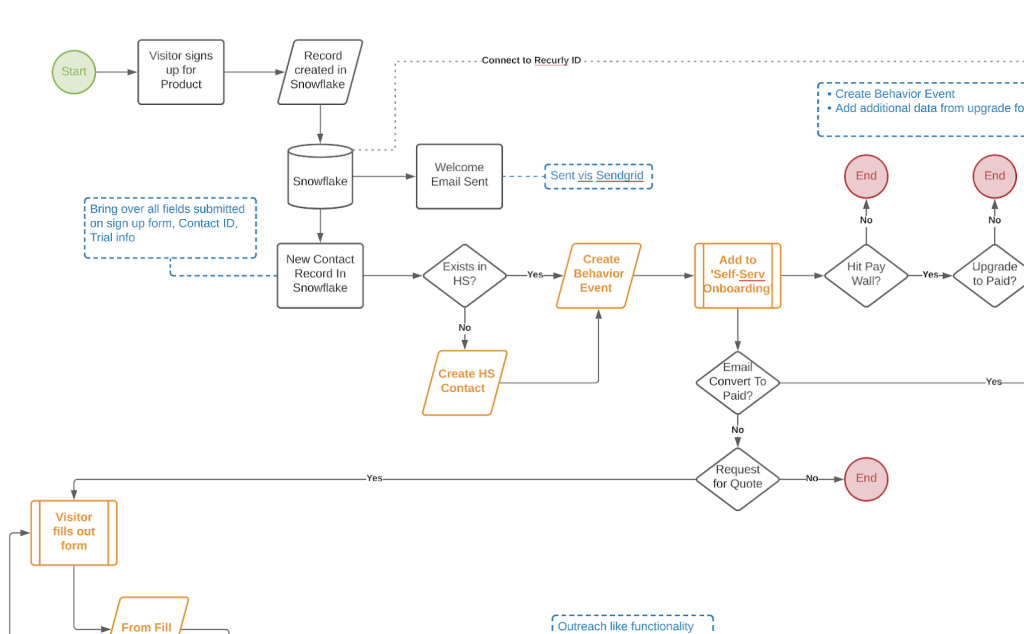
At scale, no MAP owns truth. Data platforms do. HubSpot and Eloqua act as engagement layers. ActiveCampaign appears only in subsidiaries or regions.
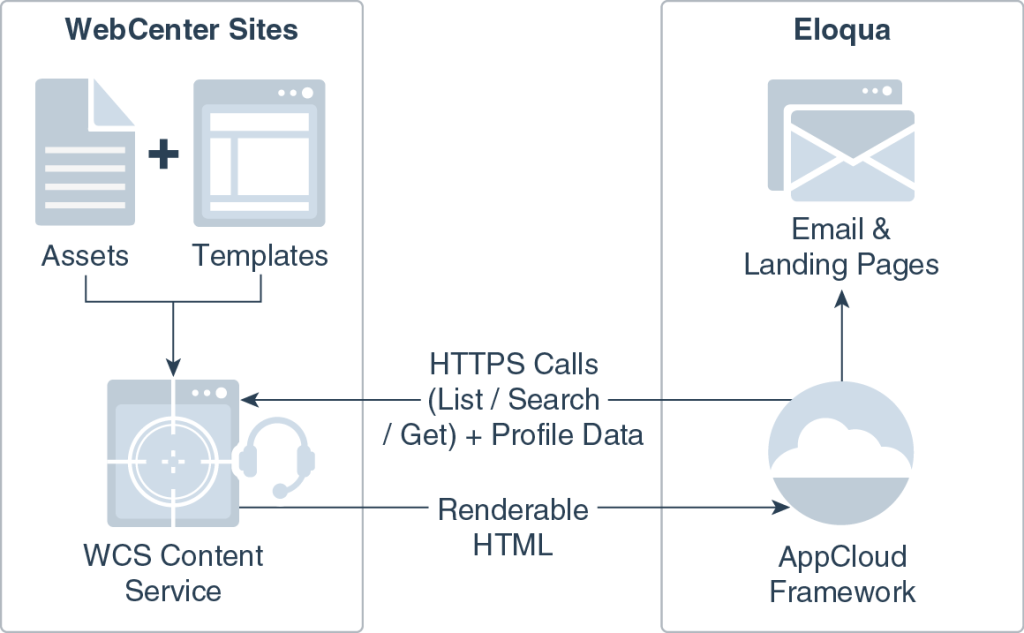
Oracle is retiring Eloqua’s native Salesforce integration in Nov 2025 (25D release), forcing enterprise teams to redesign CRM connectivity.
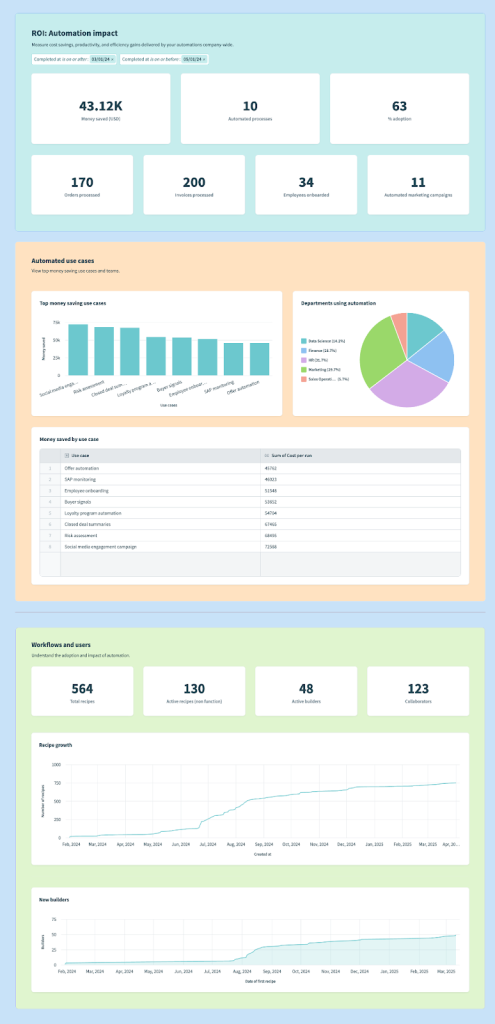
Integration Shortlist template
Here’s the ready-to-use Excel file to download. Integration_Shortlist_Template
What’s inside the spreadsheet
Each row reflects how teams shortlist integrations in practice.
Columns included
- Category
- Tool / Integration
- HubSpot Availability
- Eloqua Availability
- ActiveCampaign Availability
- Integration Type (Native / Marketplace / iPaaS)
- Connect Priority (First / Later)
- Common Gotchas (sync direction, identity resolution, limits, latency)
Final Thoughts
To build a strong marketing automation system, selecting a good marketing automation tool isn’t enough; it’s also important to properly configure each tool and its integrations for your goals and strategy, so they provide the information you need to achieve your desired business outcomes.
Most successful companies have developed a complete marketing automation ecosystem that allows their tools to work together, enabling them to reach a mature operational state by connecting all their tools.
The Automation Strategy Group supports teams that are currently using HubSpot, ActiveCampaign, or Oracle Eloqua after they have completed setup and are now facing the challenges of real complexity.
This includes time to resolve CRM and lifecycle issues, restore fragile integrations, and develop their marketing automation stack for the next stage of business growth.